





Ram Snow Plow Driving Tips Colorado
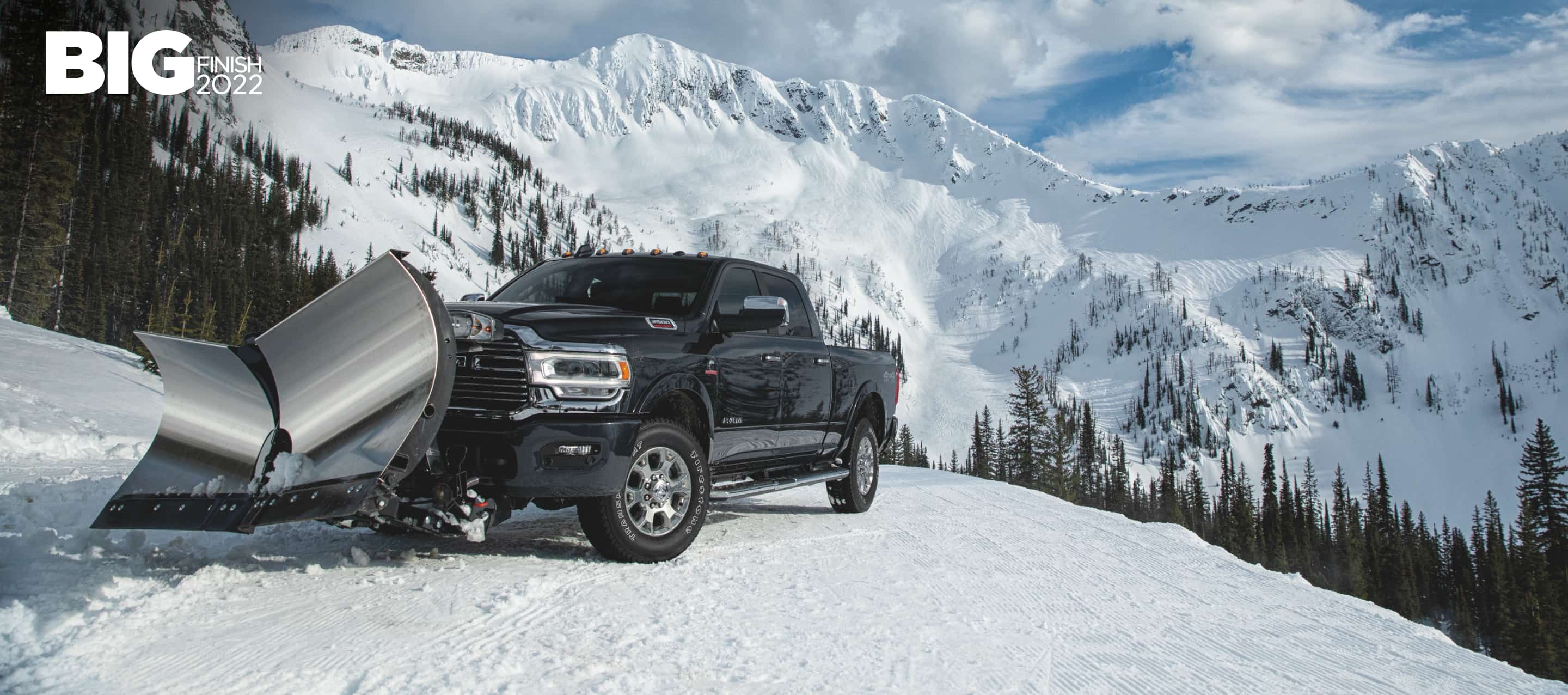
Ram Snow Plow Driving Tips Colorado
Check out our Ram Inventory!
Colorado is one place that you can rely on to bring some serious winter weather. As the thick snow, and ice abounds, many are interested in owning a plow truck, whether they need it for their business, or simply for personal use. If you have or are about to invest in a heavy-duty truck with a plow to get you through those tough weather days, you may be wondering what the best plow techniques are. If so, Prestige is pleased to present some great snow-plowing tips below. If you still have questions about plowing, feel free to give us a call any time, we are happy to help!
Different Plow Blade Positions
Snow plow blades are a proven choice for both professionals and homeowners. They are built with an optimized blade curl which means that snow rolls right off the plow. When the blade is in the angle position, it will be angled to the left or right side of your Ram. Use this position for widening after the first pass. When the blade is angled to the left or right side, make it consecutive each time, throwing forward and to the side. This technique will be useful in learning larger areas such as parking lots. In the straight position, the blade is positioned directly in front of the Ram, and you use this position for back dragging, removing a large windrow, or cleaning up at the end of the job.
Backdragging Your Plow
If you remove snow from the end of a building, you will want to use the back-dragging method. Raise the blade, drive toward the building, and lower the blade, the back up while pulling the snow away from the building. You should back-drag only two to three truck lengths before turning around. You can then go back into the cleared area and push the snow forward. Your plow will be more effective when pushing the snow than back dragging over a long distance. Once the job is over, adjust the blade back into the straight position and move the snow directly ahead, which will clean up any spill-off left from the previous plowing.
Deep and Wet Snow
If you find yourself in deep snow, raise your plow several inches off the ground to shear off the top layer. If you own a Power-V plow, use the V-positon to make your first pass and then change over to the scoop or angle position, which will widen things out. That will allow you to push just enough snow with each pass which will get the job done efficiently without overloading your equipment. You should also consider using a full blade width for two inches of snow or less, use a three-quarters blade for four inches of snow, and a half blade for six inches or more. In wet snow, the best advice is once you start, finish the job, as when wet snow is left in the windrows overnight, things can get dicey in the morning.
Basic Plowing Practices
While you are plowing, do not exceed 14 mph, and while you are plowing, be sure to check the temperature gauge often. Overheating your engine can prove costly, and if your plow overheats, you should stop and correct the problem. Also, before the snow falling, be sure to walk around the area you will be plowing to check for obstacles that can become hidden when the snow is on the ground. Check for bumper stops, speed bumps, curbs, sidewalk edges, shrubs, water drains, fire hydrants, fences, and pipes that might stick up from the ground. This will help prevent damage to the snowplow as well as your Ram. When you are in reverse, do not rely on your mirrors, be sure to turn around and look where you are going. Finally, when you are finished plowing, lower the blade to the ground and turn the plow control off for safety.
Get a new Ram at Prestige Chrysler Dodge Jeep Ram
When it comes to plowing, nothing beats a Ram, and here at Prestige Chrysler Dodge Jeep Ram, we have plenty of new and pre-owned Rams in stock for you to see and test drive. If you enjoy your test drive, you can head down to our finance department, where our team will work with you toward a deal that you will love, and we can even take your trade-in if you have one. You can even view our complete Ram inventory here on our website!

Disclaimer: Although every reasonable effort has been made to ensure the accuracy of the information contained on this site, absolute accuracy cannot be guaranteed. This site, and all information and materials appearing on it, are presented to the user “as is” without warranty of any kind, either express or implied, including but not limited to the implied warranties of merchantability, fitness for a particular purpose, title or non-infringement. All vehicles are subject to prior sale. Price does not include applicable tax, title, and license. Not responsible for typographical errors. May not represent actual vehicle. (Options, colors, trim and body style may vary) Total discounts include available manufacturer rebates.
Max payload/towing estimate ratings shown. Additional options, equipment, passengers, and cargo weight may affect payload/towing weights. See dealer for details.